Which Mulch and Pine Straw Selections Should I Use for My Lawn?
A lush, vibrant landscape is the pride of any homeowner. It’s the beautiful frame for your home, a sanctuary for relaxation, and the first impression you make on guests. But achieving that picture-perfect look goes beyond just mowing the lawn and planting flowers. The secret to a truly healthy, low-maintenance, and stunning garden lies in the groundcover you choose. This is where the age-old debate begins: traditional mulch or classic pine straw?
As the experts at Pinestraw America, we understand that this choice can be daunting. Both options offer significant benefits, but they are not created equal. The right selection depends on your specific plants, soil type, local climate, aesthetic goals, and even your maintenance philosophy. In this comprehensive guide, we will break down everything you need to know about mulch and pine straw, empowering you to make the perfect choice for your landscape.
Understanding the Basics: Mulch vs. Pine Straw
Before we dive into the specifics, let's establish a clear understanding of what we're talking about. Both mulch and pine straw are types of groundcover applied over the soil in garden beds, around trees, and along walkways. Their primary functions are universal:
- Moisture Retention: They act as a protective blanket, reducing water evaporation from the soil, which means you water less frequently.
- Weed Suppression: By blocking sunlight, they prevent pesky weeds from germinating and taking over your beautiful beds.
- Temperature Regulation: They insulate the soil, keeping it cooler in the summer and warmer in the winter, protecting plant roots from extreme temperature swings.
- Soil Enrichment: As they decompose, they release valuable organic matter and nutrients back into the soil, improving its structure and fertility over time.
While they share these core benefits, their composition and unique properties are what set them apart.
- Traditional Mulch: This is a broad category that typically refers to shredded or chipped organic materials. The most common types are derived from hardwood bark, cypress, cedar, and sometimes dyed wood fibers.
- Pine Straw: As the name suggests, pine straw (also known as pine needles) is the naturally shed foliage from various species of pine trees. It’s a renewable resource harvested from the forest floor.
The Elegant All-Star: A Deep Dive into Pine Straw
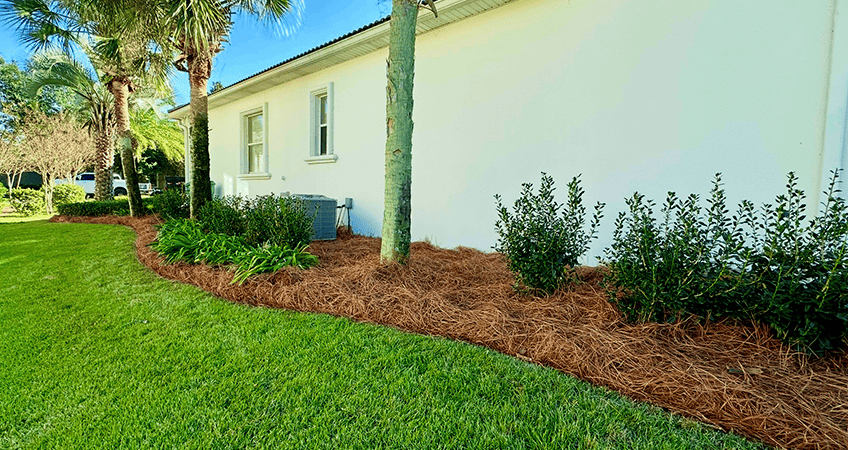
At Pinestraw America, we have a special appreciation for this incredible natural resource. Pine straw offers a unique combination of aesthetic appeal and horticultural benefits that make it a superior choice for many landscapes.
Types of Pine Straw:
Not all pine straw is the same. The quality, color, and longevity depend on the species of pine tree it comes from.
- Longleaf Pine Straw: Considered the "gold standard," Longleaf pine straw has the longest needles (up to 14 inches), a rich, reddish-auburn color, and the highest resin content. This resin makes it decompose much more slowly than other types, meaning it lasts longer and you reapply it less often. Its long needles interlock beautifully to create a uniform, fluffy blanket that stays in place, even on slopes.
- Slash Pine Straw: A very popular and effective choice, Slash pine straw has shorter needles than Longleaf and a slightly more varied brown and reddish hue. It also interlocks well and provides excellent coverage. It decomposes a bit faster than Longleaf but is still a long-lasting and cost-effective option.
- Loblolly Pine Straw: This type has the shortest needles and tends to decompose the fastest. It's often the most budget-friendly option but will require more frequent replenishment.
The Unique Advantages of Pine Straw:
- Superior Aeration: Unlike some dense wood mulches that can compact over time and suffocate soil, the light, airy structure of pine straw allows for excellent air and water flow to plant roots. This prevents root rot and encourages healthy growth.
- Soil Acidity: As pine straw slowly breaks down, it helps to slightly acidify the soil. This is a massive benefit for acid-loving plants like azaleas, rhododendrons, hydrangeas, magnolias, and blueberries, helping them thrive and produce vibrant blooms.
- Stays in Place: The interlocking nature of the needles means pine straw is less likely to wash away during heavy rainstorms, making it an ideal choice for sloped areas and hillsides.
- Natural and Sustainable: Pine straw is not a product of felled trees. It is simply raked from the floor of managed pine forests, making it a truly renewable and environmentally friendly choice.
- Pest Deterrent: Some studies suggest that the resinous nature of pine straw can help deter certain pests, like termites.
The Tried-and-True Classic: Exploring Traditional Mulch
Hardwood and other wood mulches have been a staple in landscaping for decades, and for good reason. They offer a different aesthetic and have their own set of powerful benefits.
Common Types of Mulch:
- Hardwood Mulch: Typically made from shredded oak, maple, or other hardwood barks and woods. It can be double or triple shredded for a finer texture. It decomposes well, adding excellent organic matter to the soil.
- Cypress Mulch: Known for its pleasant aroma and durability, cypress mulch can be slower to break down. There are sustainability concerns with sourcing, so it's crucial to choose a reputable supplier.
- Cedar Mulch: Similar to cypress, cedar has a wonderful scent and its natural oils can help repel some insects. It also decomposes slowly.
- Dyed Mulch (Red, Black, Brown): These mulches are made from recycled wood materials and colored with a non-toxic dye to provide a bold, consistent color that can make landscape features pop.
The Strengths of Traditional Mulch:
- Excellent Moisture Retention: Denser mulches can be particularly effective at creating a barrier against evaporation, holding moisture in the soil effectively.
- Aesthetic Variety: With different textures and colors available, wood mulches offer a wide range of design possibilities, from a rustic, natural look to a sharp, modern aesthetic with black or red dyed mulch.
- Nutrient Powerhouse: As hardwood mulches break down, they release a rich blend of nutrients that can significantly improve poor or clay-heavy soils.
Why Choose Pinestraw America for Your Groundcover Needs?
At Pinestraw America, we are passionate about providing the highest quality groundcover solutions to elevate your landscape. While we champion the exceptional benefits of pine straw, we are dedicated to helping you find the perfect product for your specific needs.
- Unmatched Quality: We source only the best, cleanest pine straw, focusing on premium Longleaf and Slash varieties. Our bales are fresh, full, and free of the debris you might find elsewhere.
- Sustainable Practices: We believe in responsible stewardship of our natural resources. Our harvesting methods are sustainable, ensuring the health and longevity of the pine forests we depend on.
- Expert Guidance: Not sure which type of pine straw is right for you? Our knowledgeable team is here to answer your questions and provide personalized recommendations based on your landscape goals.
- Convenience and Reliability: We offer dependable delivery services to ensure you get your groundcover when you need it, ready for application.
Ready to Transform Your Landscape?
The right groundcover is more than just a finishing touch it’s a critical investment in the health, beauty, and sustainability of your lawn and garden. By weighing the unique benefits of elegant, long-lasting pine straw against the classic appeal of traditional mulch, you can make an informed decision that will pay dividends for seasons to come.
Whether you're drawn to the vibrant, natural aesthetic and soil-aerating power of premium Longleaf pine straw or another groundcover solution, the first step is to choose a partner committed to quality.
Ready to give your landscape the professional-grade finish it deserves? Contact the experts at Pinestraw America today! Explore our premium pine straw selections on our website or call us for a personalized quote. Let's build a healthier, more beautiful landscape together.